Fault 1: Mechanical Failure
As core equipment in modern manufacturing, CNC machining centers play a crucial role in industrial production due to their high precision and efficiency.
However, in actual use, some malfunctions are inevitable.
Timely identification and resolution of these problems not only extend the equipment’s lifespan but also ensure production continuity and product quality.
This article will discuss common CNC machining center malfunctions and their repair methods from multiple perspectives.
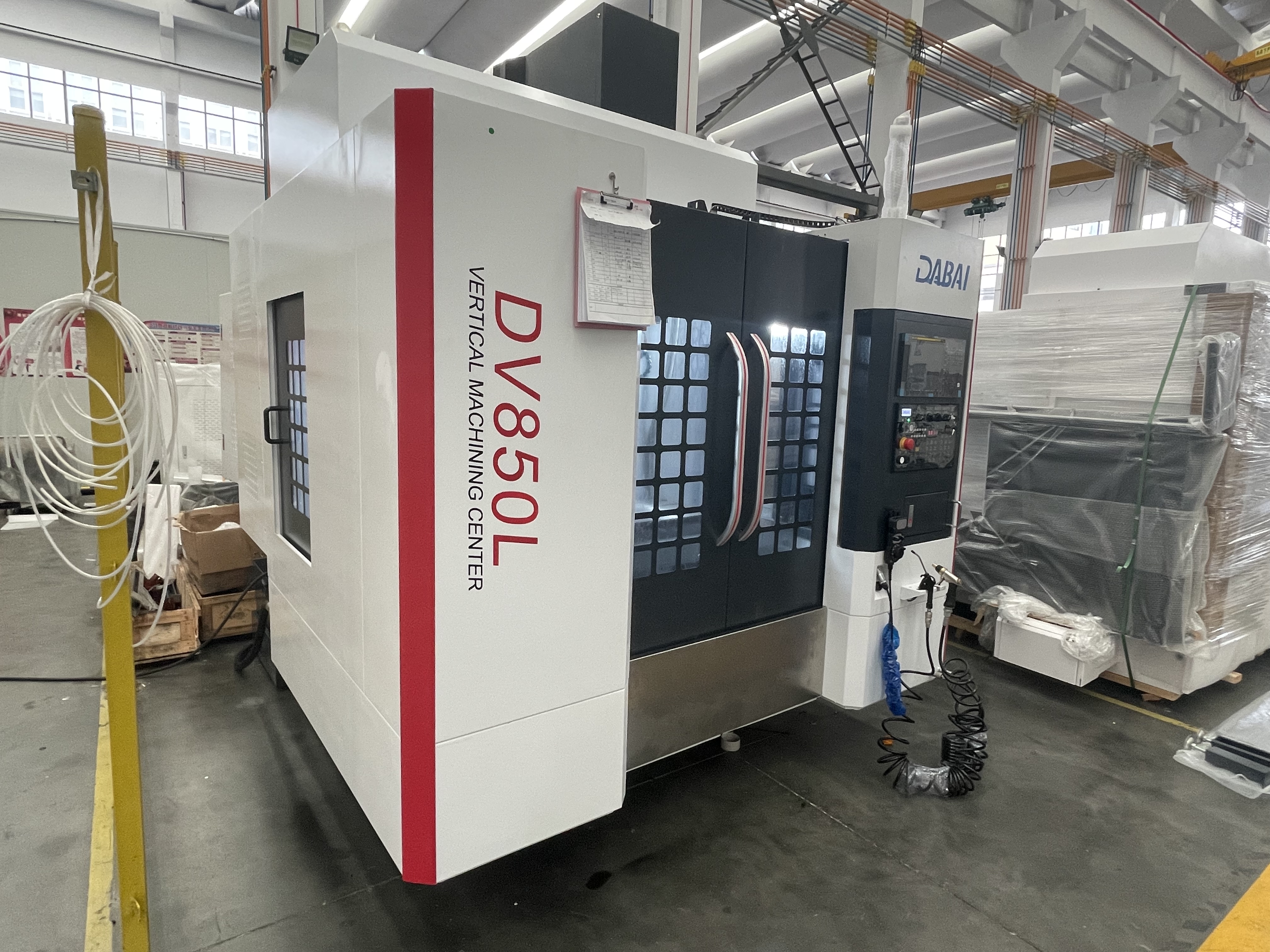
Mechanical Failure
Mechanical failures typically involve wear and tear in the transmission system and malfunctions in the tool clamping mechanism.
If the equipment continues to operate with a worn transmission system, it can lead to further wear on transmission components such as lead screws and guide rails, thus affecting machining accuracy.
The maintenance method is regular lubrication to ensure the lubrication of transmission components and reduce wear; or, when wear reaches a certain level, timely replacement of the relevant components.
Tool clamping mechanism malfunctions mainly manifest as problems with the tool clamping mechanism, resulting in the tool not being clamped tightly or unable to release, affecting machining safety and accuracy.
The maintenance method is to adjust the clamping claw spring: if the tool is not clamped tightly or falls out, the clamping claw spring can be adjusted to increase its pressure, or the robotic arm clamping pin can be replaced;
Adjust the release spring: if the tool cannot be released after clamping, the nut behind the release spring should be adjusted to ensure that the maximum load does not exceed the specified value.
www.dabaicnc.com